
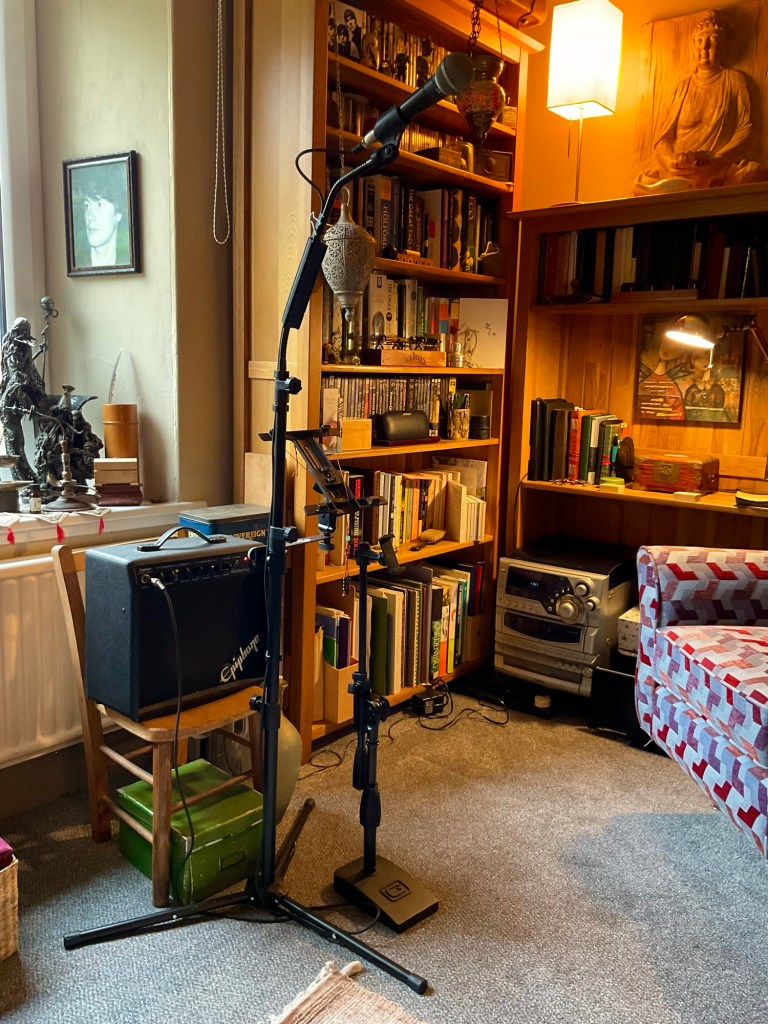
In getting old and new technology to be bosom buddies has been the issue over a couple of days. Back in the 1970s and early 1980s we recorded songs in a completely different way to how it is happening now with my newly owned home computer system. We had microphones on the actual external sound source. Microphones recording guitars plugged into amplifier/speaker cabinets, surrounding the drum kit and vocals through speakers. That’s how we captured our songs. With the equivalent of large studio ‘cassette equivalent’ tapes to capture the sound.

The Apple computer set up above is a bunch of different leads into various choices of USB, USB-C, lightning, thunderbolt, etc. ports. My old Shure SM58 1970s microphone has a XLR to jack plug lead which requires an ‘interface’ to plug into for the computer to accept it.
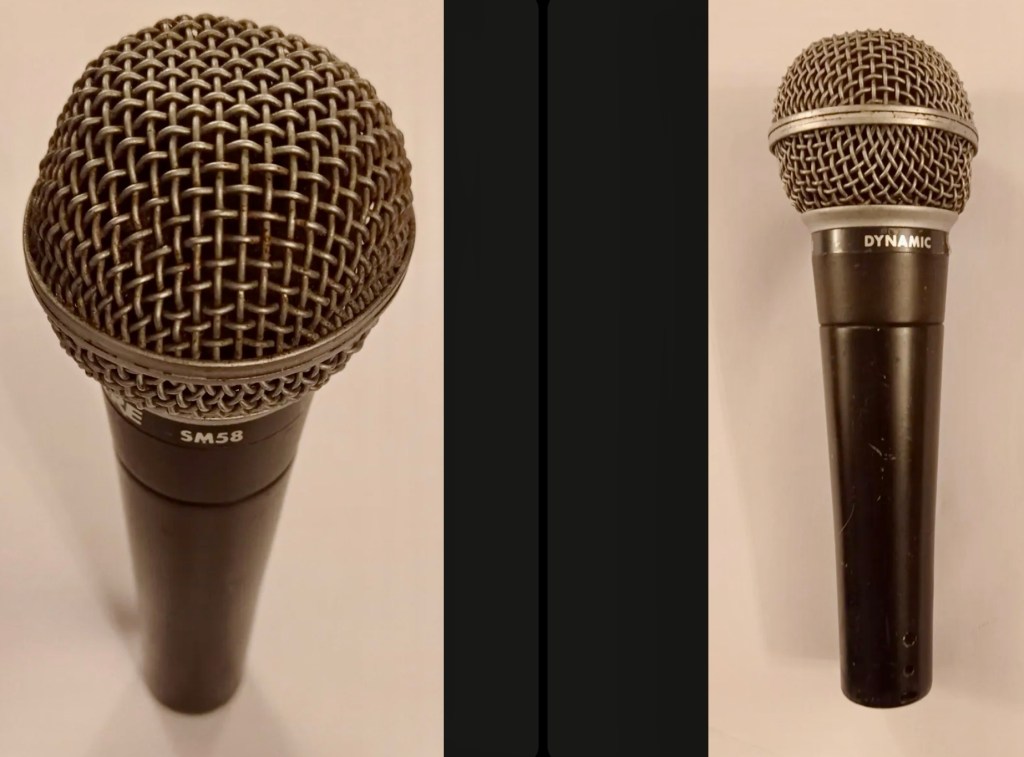
The ‘interface’, in my case, was the bridge between the source of microphones recording instruments and vocals to the computer. Below photograph.

It didn’t work. I read that Bluetooth connections and a variety of other ‘stuff’ has problems with compatibility and delay and I had to find a remedy. When I played a quick acoustic 40 seconds strum into the microphone over an inherent drum beat in GarageBand (an app that allows you to record music) it caused something called ‘latency’. A delay in the microphone picking up the guitar or vocals sound with the result of it playing out of beat/rhythmic time. The guitar/vocals trying to catch up with the GarageBand drum beat.
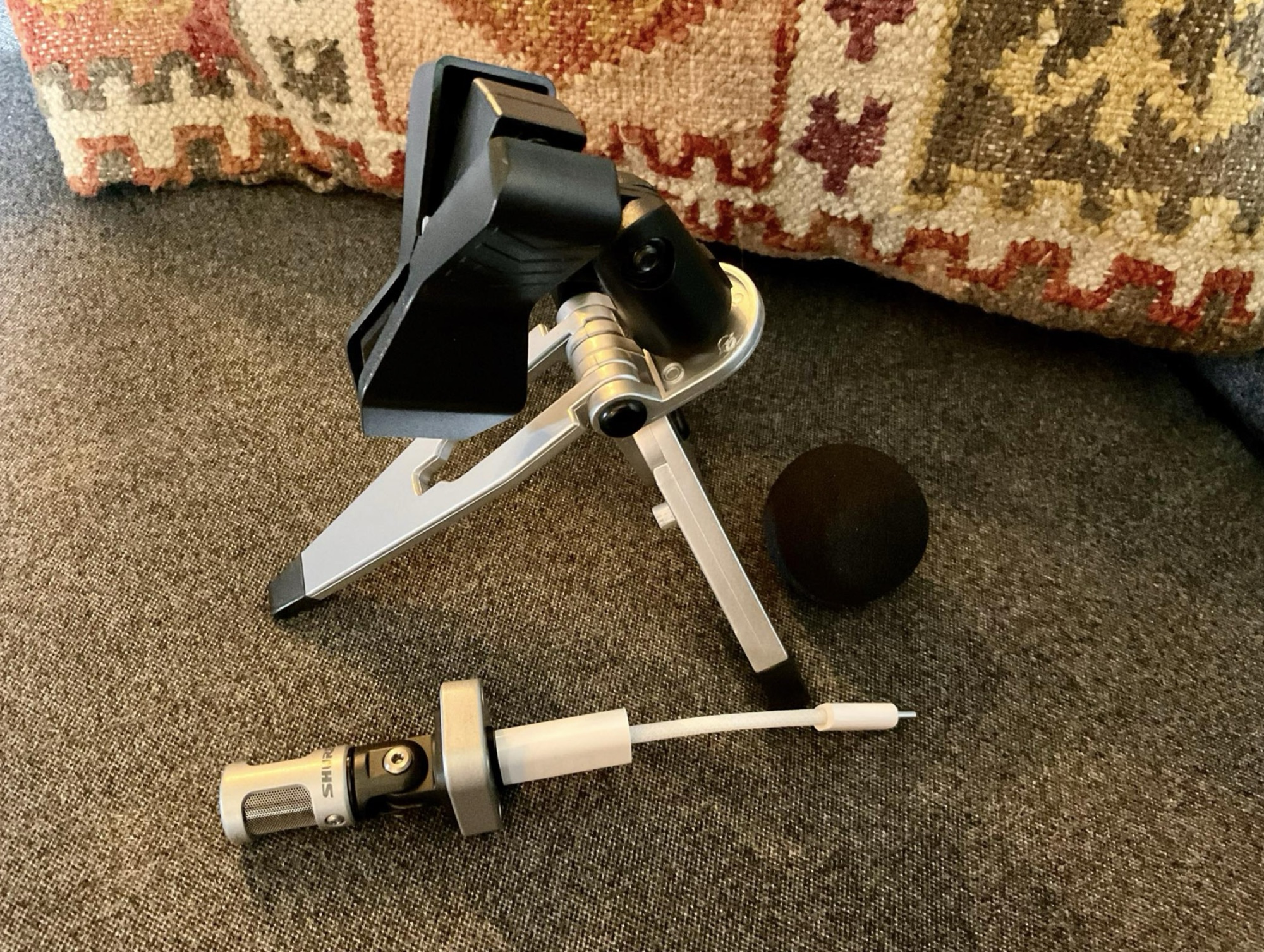
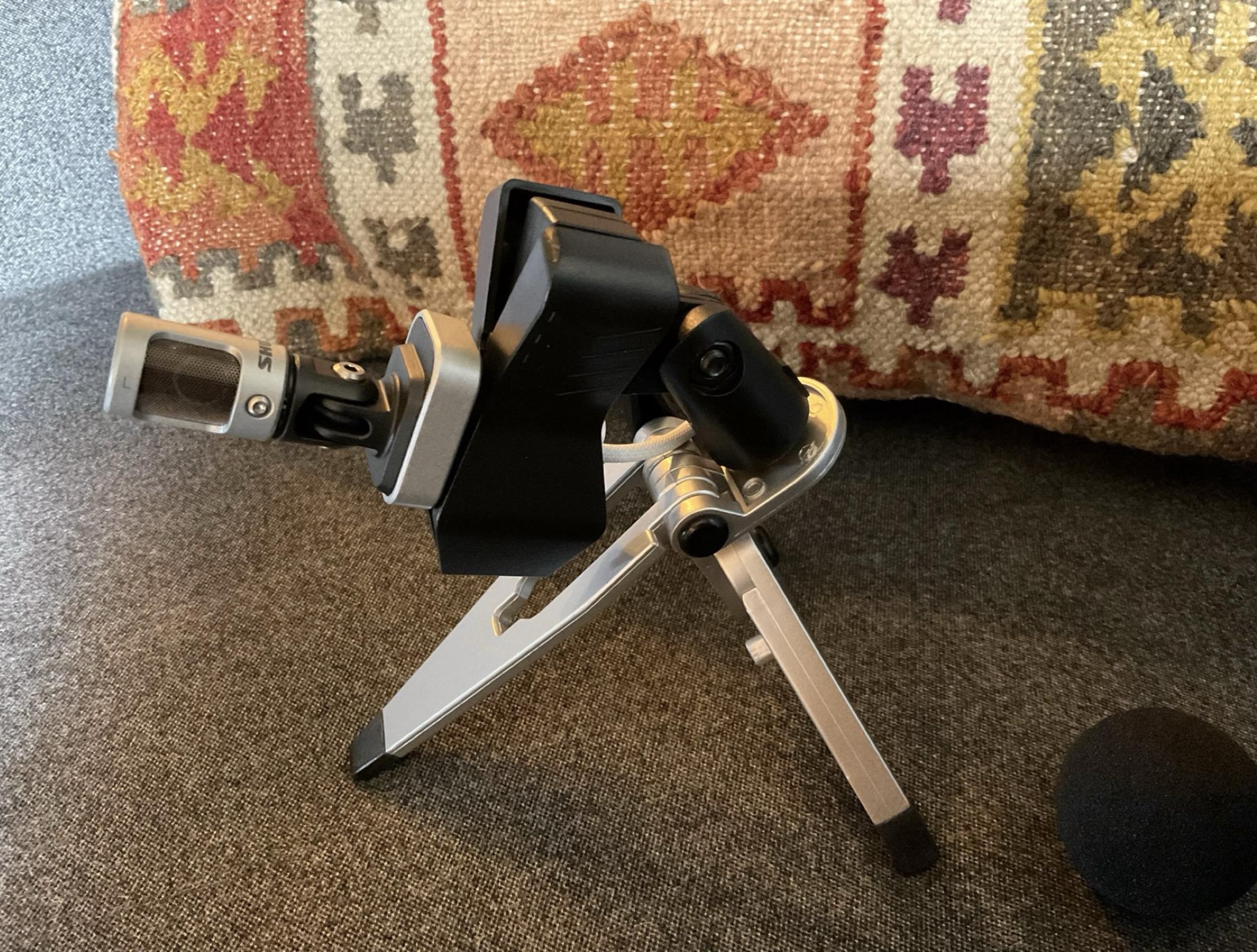
The other day, I uploaded this below. The Shure MV5 microphone used for both guitar and vocals.
This required no ‘interface’. It was recorded on a Shure MV5 microphone with a USB connector. It could be directly plugged into the M2 desktop computer. Therefore, no technology between microphone and computer. Which meant no delay. But not my desired microphone choice. Too clean with no iconic vibe. I knew instantly that I wanted the original microphone from my 1970s days. Warmer and an iconic recognised sound. Trouble is…that iconic microphone was producing a background ‘humming’ sound. Too much enquiry really to describe events.
Yes! I do love the word iconic. As much as the word vintage. Not quite antique. Yet! Older years of age is…..as older years of age remembers.
I now realise!! Just typing up this complicated description up to now, it has a bewildering nature. Blows the mind. So let’s to cut to the chase.
There are so many choices of connections to connections of different nature that it is a case of looking out there on internet land to get what you will need to get systems interconnected. And most of the time you will find it. Luckily I had a little bit of equipment called a ‘sound card’. My brother bought me a microphone for podcasts. It had a lead which allowed the plug in between an old XLR microphone connection to a jack and then onwards into a USB connector allowing old microphone to new computer compatibility. Yay!
No more delays of any chosen microphones for source sound. Finally the ability to record with both old and new microphones.
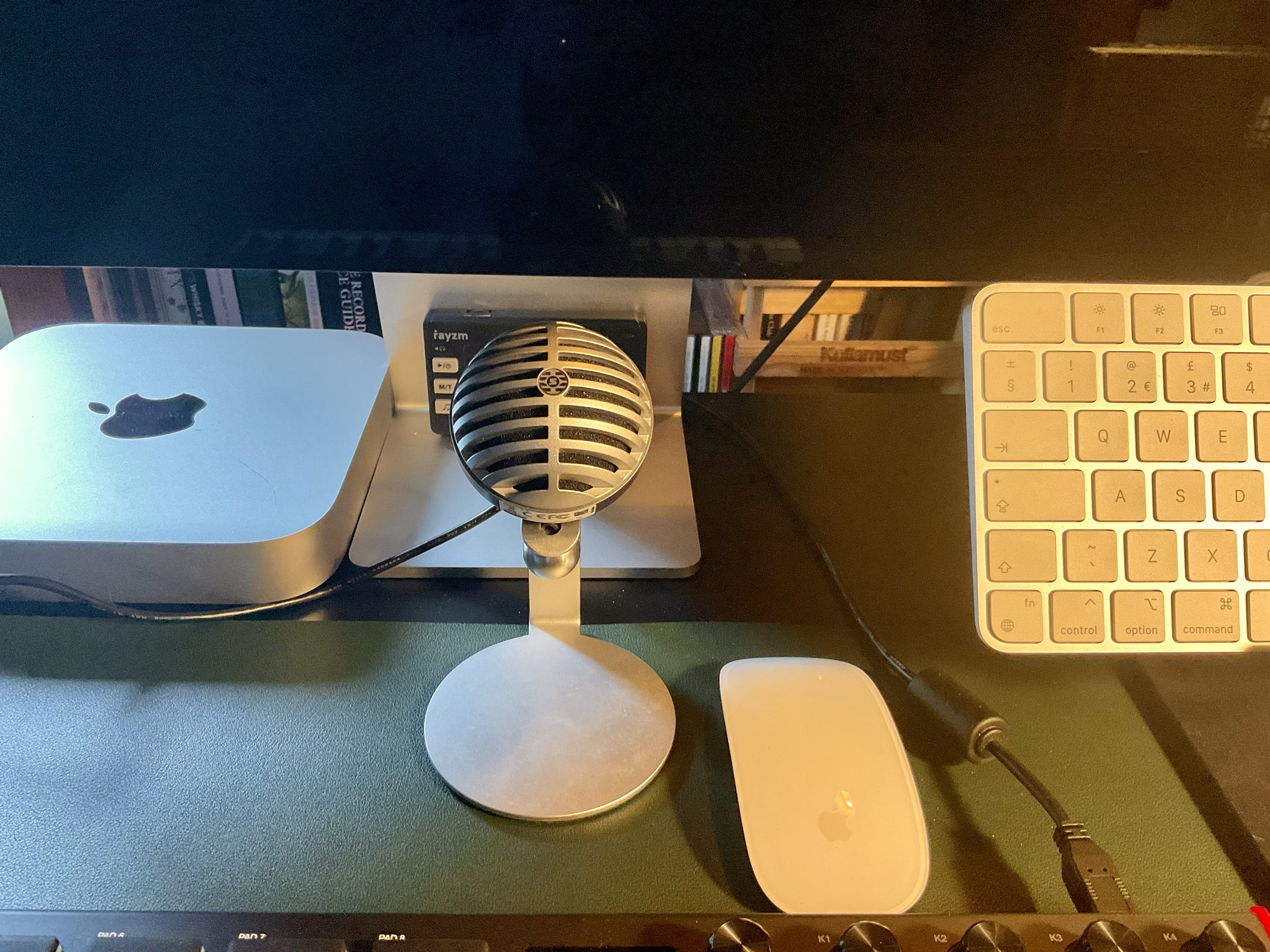



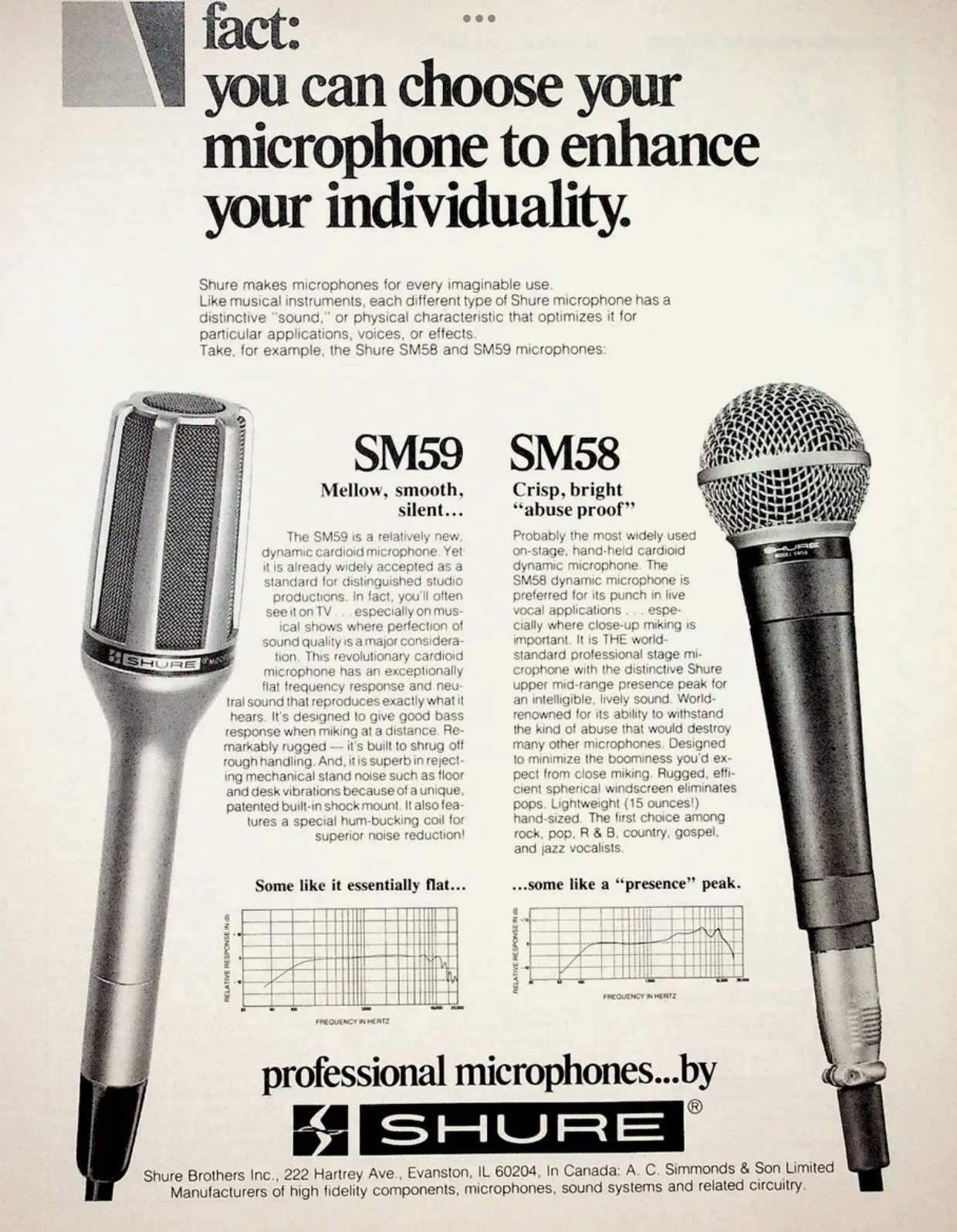

Here below is a quick result today. A bit of new strumming on acoustic guitar. The comparison between the acoustic guitar sound I played on the audio above to this one I played below is very much worth a listen! The old Shure SM58 below. The newer Shure MV5 above on the vocal and guitar tune.
I want organic sound. People actually playing their instruments into good old fashioned microphones that are compatible. Microphones are complicated too. They all pick up sound differently. So getting the right choice is vital.
Anyways. Technology requires a bunch of nonsense writing. I’ve written enough nonsense now and my brain hurts.
So just to say…..solution found. No ‘background hum’ anymore. And using my old beauty of a microphone from youthful days. Here is, again, the quick strummed result through the Shure SM58 from bygone years.
JUST IN CASE YOU MISSED. BELOW. The result of direct to computer microphone recording on a vintage microphone …..now with no ‘background hum’.


 Gray Summers